
May 06, 2025 – May 08, 2025
Ho Chi Minh City, Ho Chi Minh City, Vietnam
United Nations Day of Vesak 2025 in Vietnam: A Global Vision for Unity and Inclusivity
A Historic Assembly in Ho Chi Minh City
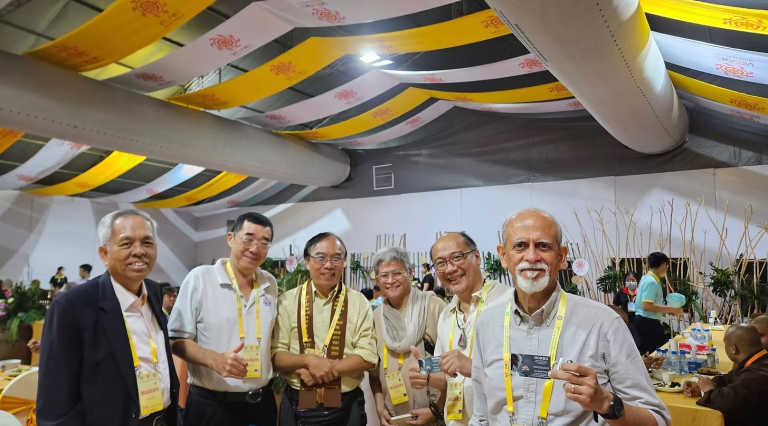
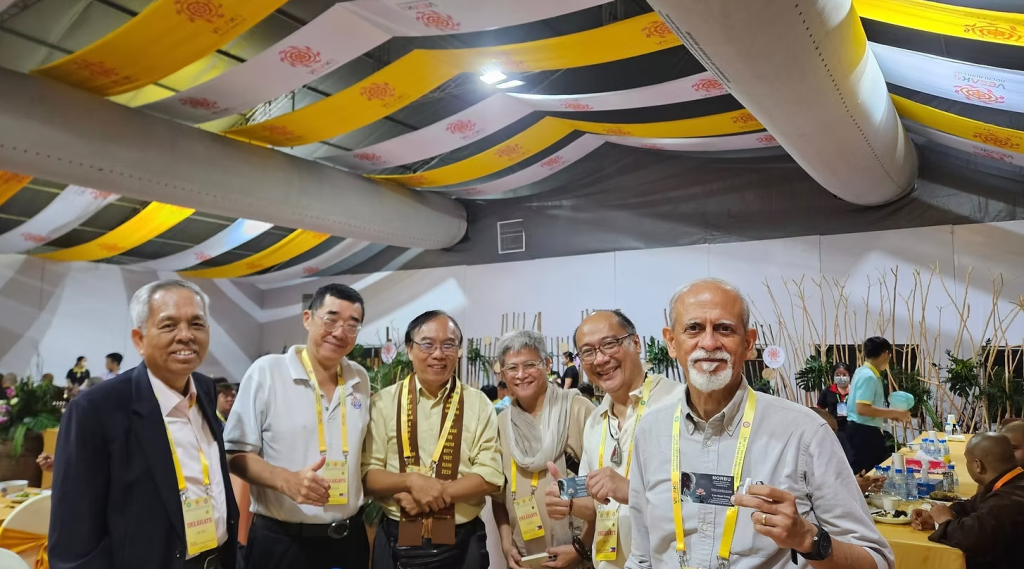
The global community gathered from May 6 to 8, 2025, in Ho Chi Minh City, Vietnam, creating a historic international intersection for spiritual diplomacy and global peace. This landmark event brought together thousands of international delegates, monastics, state officials, and scholars representing over 85 countries and territories. Hosted at the prestigious Việt Nam Buddhist Academy, Vesak 2025 served as an international platform for honoring the sacred memory of the Buddha’s Birth, Enlightenment, and Parinibbāna (passing away). It provided an extraordinary setting to examine how ancient traditions can directly guide modern humanitarian action.
The entire convention was structurally guided by the critical theme, “Unity and Inclusivity for Human Dignity: Buddhist Insights for World Peace and Sustainable Development.” Officially recognized by the United Nations as an international observance since 1999, the assembly utilized this specific framework to promote cross-cultural understanding. During the multi-day proceedings of Vesak 2025, international participants engaged in rigorous academic seminars designed to dismantle modern social barriers, emphasizing that global progress is fundamentally meaningless without equal respect for the inherent dignity of all human beings.
Bridging Ancient Insights and Global Development
A central pillar of the conference discussions revolved around defining human dignity as a universal right that transcends geographical and political borders. Prominent speakers highlighted that recognizing our shared vulnerability to suffering is the most direct path toward creating inclusive social structures. The research panels during Vesak 2025 successfully bridged the gap between ancient ethical rules and modern socioeconomic policies, showing that global challenges require a radical shift from individualistic greed to collective, compassionate responsibility.
Rather than looking at world peace as an idealistic or abstract theory, the academic presentations laid out practical frameworks for integrating mindfulness into modern community leadership and public education. The international delegates argued that modern geopolitical conflicts and severe environmental degradation are simply outward symptoms of internal spiritual ignorance. By confronting these mental roots, the global assembly offered clear solutions to help nations achieve the United Nations Sustainable Development Goals through ethical living, environmental protection, and non-violent social action.
Traditional Rituals and Community Transformation
The grand celebration in Vietnam, known locally as Phật Đản, beautifully combined academic depth with vibrant living culture and public devotion. Over 10,000 people gathered for a spectacular candlelight prayer ritual at the Lang Le Cultural Park, creating a stunning visual display of shared aspirations for global harmony. This focus on active practice during Vesak 2025 showed that true spiritual evolution requires outward, visible social engagement rather than passive contemplation alone.
This integration of personal development and communal care reminded attendees that the Noble Eightfold Path requires proactive engagement with contemporary struggles. Through the cultivation of dāna (generosity) and a deep commitment to sīla (morality), practitioners across the country participated in massive charity drives and community relief programs. By prioritizing the welfare of vulnerable populations, Vesak 2025 proved that global unity is built through small, structured acts of compassion carried out at the local level.
A Powerful Legacy for Future Generations
The event reached a high point with the presentation of the Ho Chi Minh City Declaration, a key document summarizing the global community’s shared commitments to peace, environmental ethics, and cross-border cooperation. For the first time, the assembly also featured the public display of sacred relics from Sarnath, India, allowing thousands of local devotees to connect deeply with their heritage. This monumental convergence of ancient relics and modern academic dialogue provided a unique, inspiring blueprint for long-term global change.
Ultimately, the convention demonstrated that the Buddha’s timeless message remains completely vital for navigating modern systemic crises. Though first delivered over 2,500 years ago, the principles of non-harming, mutual respect, and radical inclusivity offer a sturdy roadmap toward collective healing. The deep connections forged during these three days left an enduring mark on the global community, proving that a sustainable and peaceful future is only possible when humanity embraces unconditional respect for human dignity.